- +66 95 881 6730
- thai@narisaralookoil.asia
- Narisaralook Oil Export Co., Ltd., Soi Mu Ban Chom Thong, Chom Thong, Bangkok 10150, Thailand

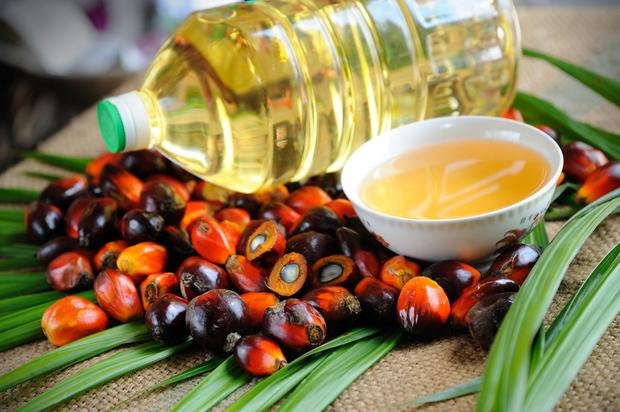
CP8 vs CP10 Palm Olein: Choosing the Right Grade
RBD palm olein is the most widely traded cooking oil grade in many of the world's frying and food-service markets, and it is one of the core products in our palm oil range. When buyers request palm olein, the first specification question is usually the CP grade: CP8 or CP10. Choosing between them is a climate decision - the grade determines how the oil behaves as temperatures fall in your supply chain.
This page explains what the CP designation means, how the two grades differ, and which grade suits which destination market. Full product background is on our palm oil product page, and shipping considerations are covered in our container loading guide.
What Cloud Point Means
Palm oil is semi-solid at cool room temperature. During refining and fractionation, it is separated into a liquid fraction (palm olein) and a solid fraction (palm stearin). The liquid olein still contains components that crystallize when the temperature drops low enough.
The cloud point is the temperature at which the first visible crystals appear and the oil starts to look hazy or cloudy. The CP in the grade name is exactly this number: CP8 means a maximum cloud point of 8°C, and CP10 means a maximum cloud point of 10°C. The lower the cloud point, the longer the oil stays clear and liquid as the environment cools.
CP8 Palm Olein
CP8 is the lower-cloud-point grade, produced through additional fractionation to remove more of the higher-melting components. It remains clear at lower temperatures than CP10, which makes it the standard choice for temperate destinations - European winters, cooler highland regions, and any distribution chain where storage temperatures can fall well below typical tropical levels.
Because of the extra processing step, CP8 typically commands a price premium over CP10. Confirm current pricing for both grades when requesting your quotation.
CP10 Palm Olein
CP10 is the standard palm olein grade for tropical and warm-climate markets, where warehouse, retail and kitchen temperatures stay comfortably above its cloud point all year. It is the volume grade across much of Asia, Africa, the Middle East and other warm regions, and it delivers the same frying performance and neutral flavor that make palm olein popular worldwide.
For most warm-climate buyers, CP10 offers the most economical route to palm olein supply.
CP8 vs CP10 at a Glance
| Property | CP8 | CP10 |
| Maximum cloud point | 8°C | 10°C |
| Clarity in cool conditions | Stays clear longer | Clouds earlier as temperature drops |
| Production | Additional fractionation | Standard fractionation |
| Typical price position | Usually a premium to CP10 | Standard grade pricing |
| Best suited for | Temperate and seasonal climates | Tropical and warm climates |
Both grades fall within the same typical palm olein specification range - for example an iodine value of 50-55 as listed on our palm oil page - and each shipment's exact batch parameters are confirmed on the Certificate of Analysis.
Matching the Grade to Your Market
- Tropical destinations across South and Southeast Asia, Africa, the Middle East and warm Latin American markets generally buy CP10, matching year-round warm storage conditions.
- Temperate destinations - the United Kingdom, Europe, and seasonal or highland markets - generally require CP8 so the product stays clear through cooler months and unheated warehouses.
- Mixed-climate distributors serving both warm and cool channels often standardize on CP8 for simplicity across their whole portfolio.
- If in doubt, tell us your destination - our sales team recommends the grade and confirms the specification before you order.
If Palm Olein Clouds in Storage
Clouding is a natural, reversible physical change caused by temperature - it is not spoilage and does not mean the oil has gone bad. Warmed gently back above its cloud point, the oil returns to its clear liquid state. Selecting the right CP grade for your climate in the first place simply avoids the appearance and handling concerns of clouded product on shelves or in tanks. For full storage guidance, see the storage conditions on our palm oil page.
Frequently Asked Questions
What does CP mean in palm olein grades?
CP stands for Cloud Point: the temperature at which the oil begins to cloud as it cools, forming the first visible crystals. CP8 means a maximum cloud point of 8 degrees Celsius, and CP10 means a maximum cloud point of 10 degrees Celsius. A lower cloud point means the oil stays clear and liquid at cooler temperatures.
Which grade should I import for a cold-climate market?
CP8 is the safer choice for cooler or temperate destinations because it remains clear at lower temperatures than CP10. CP10 performs well in tropical and warm climates where warehouse and retail temperatures rarely approach its cloud point.
Is CP8 more expensive than CP10?
CP8 generally requires additional fractionation during production, so it typically commands a price premium over CP10. Premiums move with the market, so confirm current pricing for both grades with our sales team when requesting your quotation.
Do CP8 and CP10 differ in iodine value or other parameters?
Both CP8 and CP10 are grades of RBD palm olein within the same typical specification range - for example an iodine value of 50-55 as listed on our palm oil product page. The defining difference between the grades is the cloud point; full batch parameters are confirmed on the Certificate of Analysis accompanying each shipment.
What happens if palm olein clouds during storage?
Clouding is a reversible physical effect of temperature, not spoilage. The oil returns to a clear liquid when warmed gently back above its cloud point. Choosing the right CP grade for your climate simply avoids the appearance and handling concerns of clouded product in the first place.
Related Buyer Guides
Request CP8 and CP10 Pricing
Tell us your destination market and our sales team recommends the right grade with current pricing.